
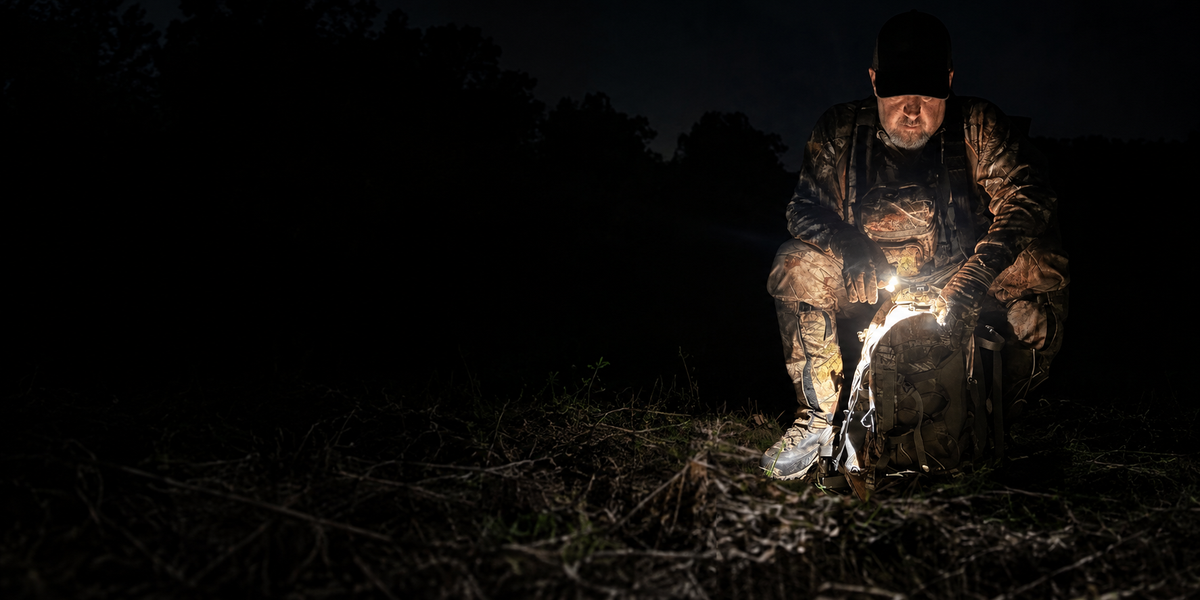
You made a good shot, the light faded, and now you're standing at last blood with a decision to make. The right light genuinely changes how fast you recover a deer. But most of what's marketed about blood tracking lights isn't true, and knowing the difference will save you money and lost trails.
Here's what the science actually says about blood tracking lights, which gear is worth carrying, and why having both hands free matters more than any color filter.
In this guide
The Quick Answer
Blood does not glow under any flashlight. What a good tracking setup does is create contrast: enough clean, well-placed light that dark red blood stands out against leaves and dirt. That comes down to three things: adequate brightness, light that stays pointed where you're looking, and both hands free to move brush, mark sign, and handle your gear. A filtered "blood light" can help contrast at close range. It is not magic.
The "Blood Glows Under Blue Light" Myth
You'll see lights marketed with the claim that blood fluoresces under blue or UV light. Forensic science says otherwise. Blood does not fluoresce under UV or visible blue light. Crime labs make blood luminesce with chemical reagents like Luminol, which is a chemical reaction, not a flashlight trick. Under any light you can buy, blood absorbs light and appears darker, not brighter.
That's actually useful to know. Hemoglobin absorbs strongly in the blue and green part of the spectrum, which is why blood looks nearly black at night. The job of your light isn't to make blood shine. It's to make everything around the blood readable so the dark spots stand out.
What Actually Helps You See Blood at Night
- Contrast filtering. Purpose-built tracking lights like the Primos Bloodhunter use filters that mute earth tones so red-on-brown pops. Real, but incremental.
- Even, close-range light. A flood beam at your feet beats a spotlight at 50 yards. You're reading drops, not scanning fields.
- Light that follows your eyes. Trailing means constantly looking low, high, and side to side. Blood sprays onto weeds and tree trunks, not just the ground. A light that points where you look, without occupying a hand, finds sign a handheld misses.
- Fresh eyes and patience. No light replaces marking every drop and moving slow. Gear helps; process recovers deer.
Dedicated Blood Tracking Lights: Worth It?
If you track a lot of deer, a dedicated filtered light is a reasonable tool. The Primos Bloodhunter HD (600 lumens, filter technology that minimizes earth tones) is the best-known option, and Primos makes a headlamp version if you want it hands-free. Multi-color lights like the Bushnell TRKR line give you red, white, and blue modes to experiment with.
Two honest caveats. First, filtered lights are single-purpose tools that live in a bin 50 weeks a year. Second, the brightest filter in the world still leaves you holding a flashlight in one hand while you're trying to part brush, mark the trail, and keep your bearings with the other.
Why Hands-Free Wins on a Blood Trail

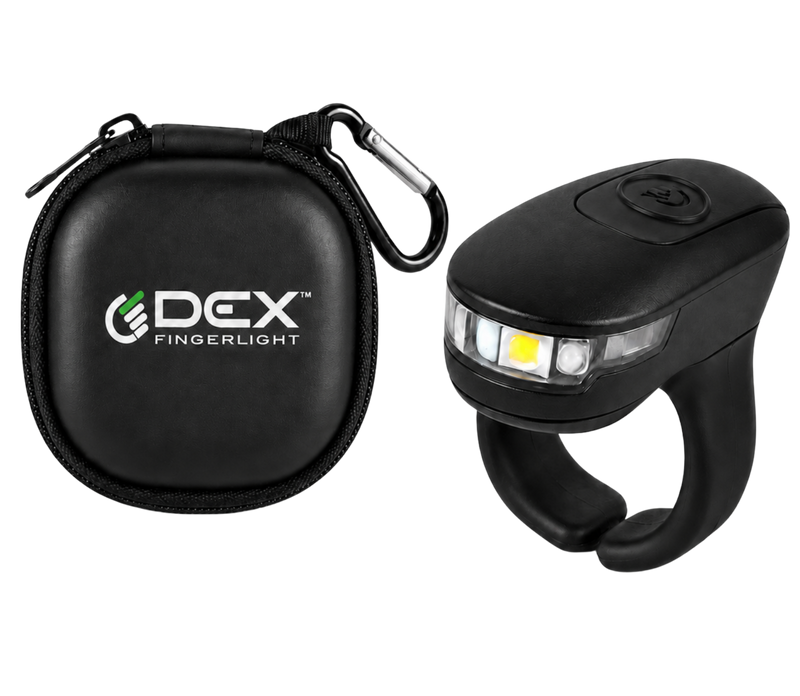
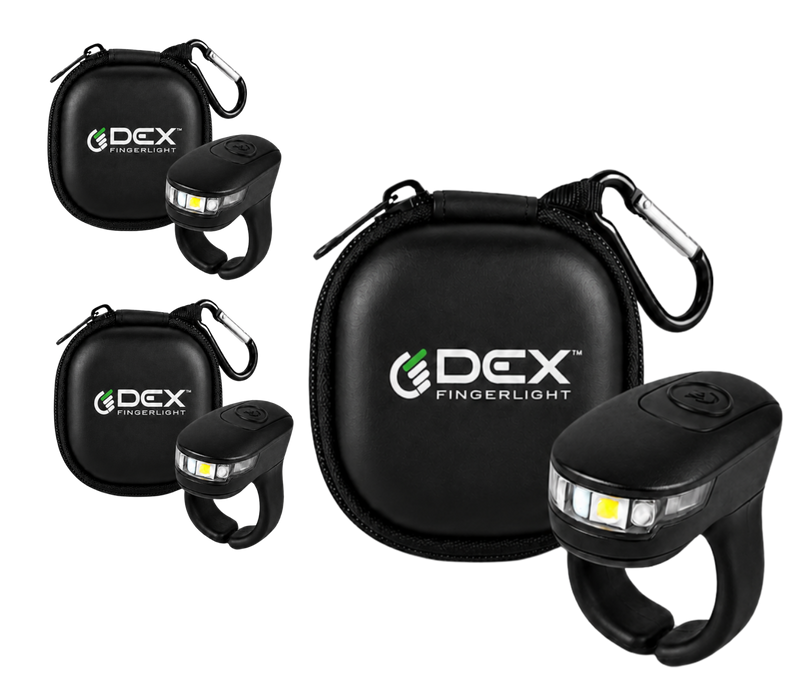
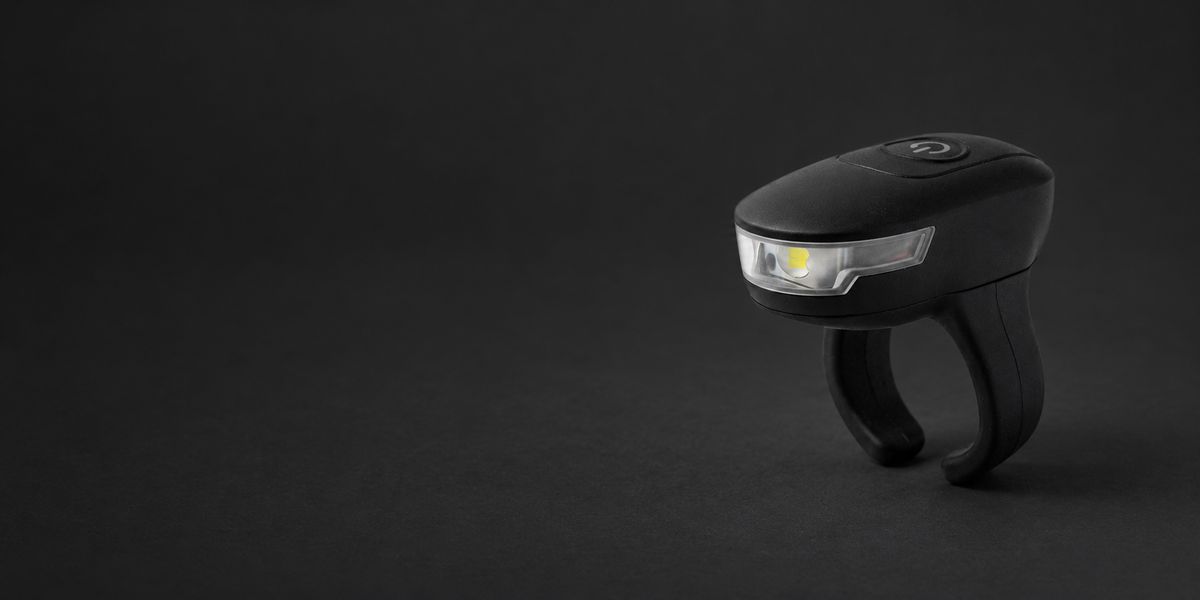
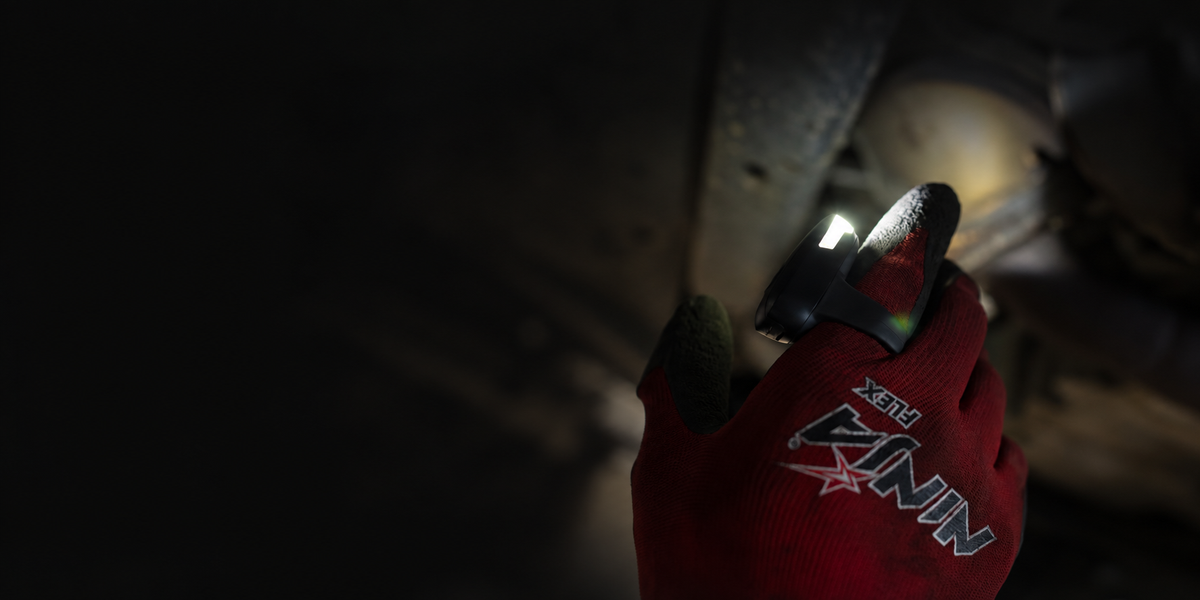
Trailing is a two-hand job. You're holding flagging tape, moving branches, checking your phone GPS, and sometimes dragging a deer out at the end. That's why we built the DEX FingerLight to ride on your finger and point light exactly where you're looking.
Why it earns a spot in your pack:
- Light follows your finger, so scanning low-high-left-right is instant and natural
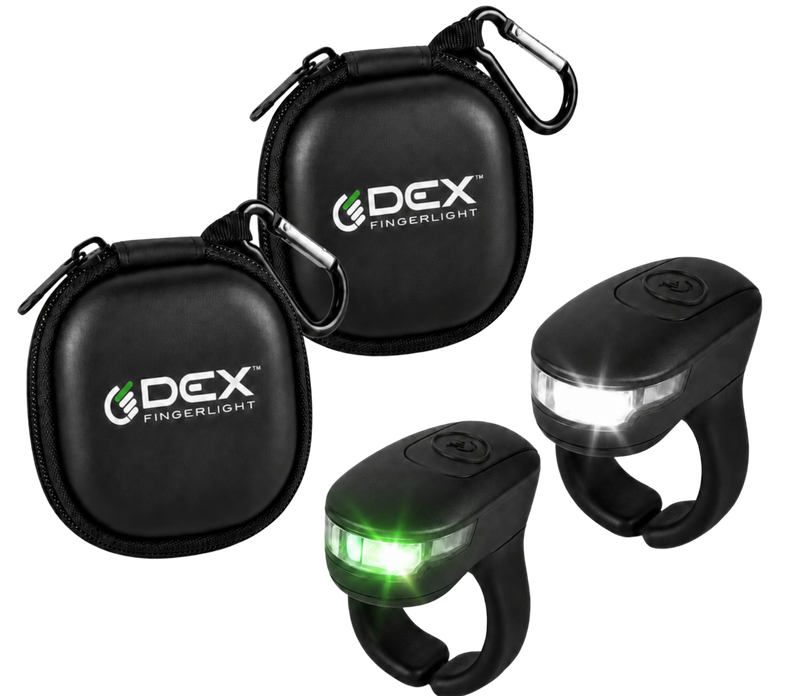
- Bright mode for reading the trail, Dim for close drop-by-drop work without killing your night vision
- Stealth Green mode if you're slipping out quietly and want to stay subtle
- IPX7 waterproof, so rain, creek crossings, and wet grass don't matter
- Fits over gloves, weighs half an ounce, and charges by USB-C
Running green light for the whole hunt, not just the trail? Browse the green light for hunting collection.
Blood Trailing Basics That Matter More Than Gear
- Wait the right amount of time. Heart and lung hits can be taken up shortly. Liver hits need 6 or more hours. Suspected gut shots need 8 to 12 hours; back out and consider a tracking dog.
- Read the blood. Bright red or pink with bubbles points to lungs. Dark maroon suggests liver. Green or clear fluid with a sour smell means digestive tract; give it time.
- Look up, not just down. Blood wipes onto weeds, cattails, corn stalks, and trunks at deer-body height.
- Mark every drop before you advance, and walk beside the trail, not on it.
- When blood runs out, go back to last blood, search downhill and toward water and thick cover, and call a tracking dog handler before you grid-search the area on foot.
Blood Tracking Light Questions
Does blood really glow under a blue light?
No. Forensic science is clear that blood does not fluoresce under UV or visible blue light. That effect requires chemical reagents like Luminol. Consumer "blood glow" claims are marketing. Filtered tracking lights work by boosting contrast, not by making blood shine.
What color light is best for tracking blood?
There's no magic color. Blood reads as dark red to black under any light. Strong, even white light with good close-range flood is the baseline. Filtered lights that mute earth tones can add contrast. What matters most is light that stays aimed where you're looking while your hands do the work.
Are dedicated blood tracking lights worth the money?
If you recover multiple deer a season, a filtered light like the Primos Bloodhunter HD is a fair tool. For most hunters, a quality hands-free light you already carry every hunt, like the DEX FingerLight, covers the trail and the other 51 weeks of the year.
How long should I wait before trailing a deer?
Depends on the hit. Heart and lung shots: 30 to 60 minutes is usually safe. Liver: at least 6 hours. Gut shot: 8 to 12 hours, and strongly consider a tracking dog. Pushing a wounded deer too early is the most common trailing mistake.
Share:
DEX FingerLight vs Torch Ring: An Honest Comparison
The Best Flashlight for Pilots, Preflight to Final