
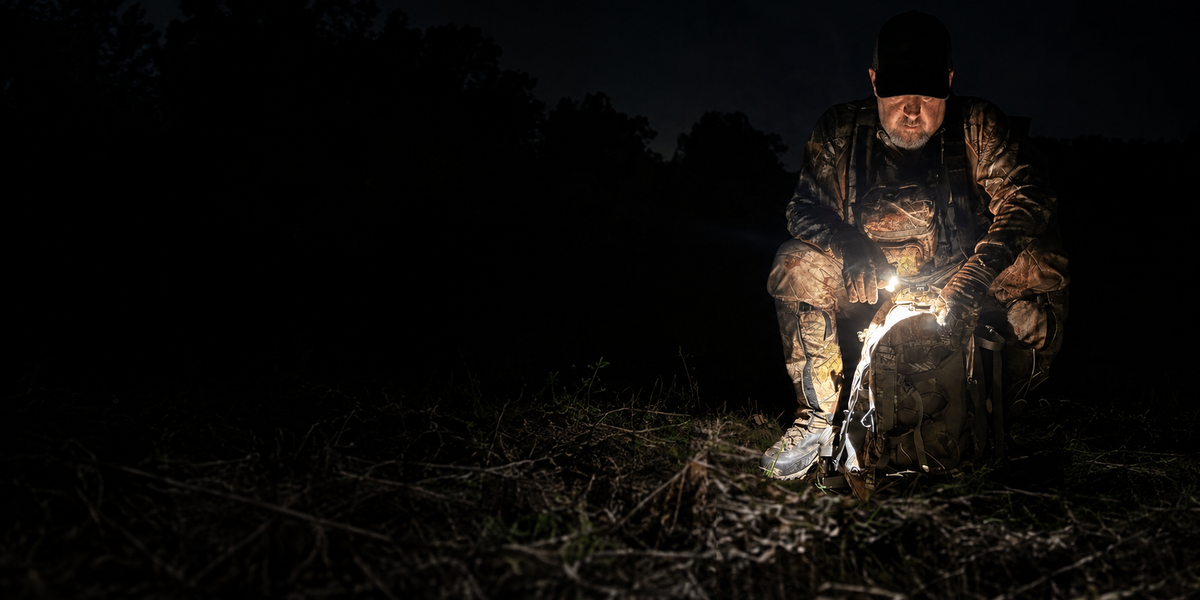
You reach into a gear pouch and your hand blocks the light. Turn your head, and the beam moves away from the buckle you're trying to fasten.
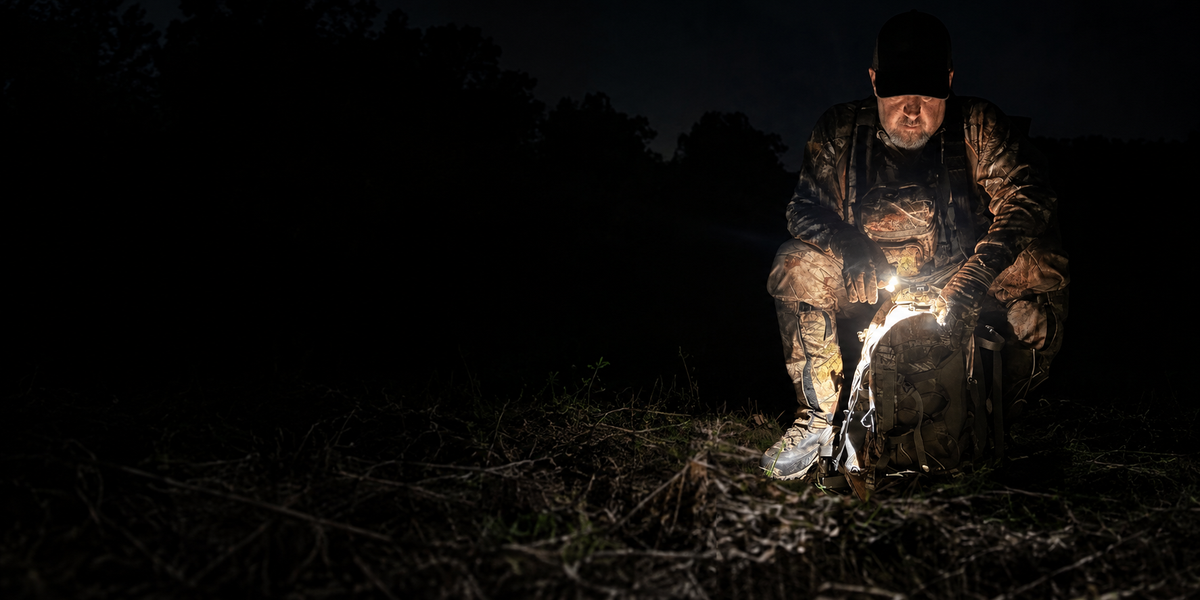
Alternatives to a headlamp for field use give you other ways to put light where you need it. For close-up tasks, a light that follows your hand can be quicker and easier to aim: point at the work and light it.
Keep suitable lighting for the route and conditions ahead. Then choose another light for the close tasks that happen once you stop.
1. Start with the task after you arrive
Walking a route and sorting a small repair kit ask different things of a light. For the first, you need to see where you're going. For the second, you may need to read a marking or find a small item inside a pouch.
List the jobs you expect to do at camp or at your work location. Pack buckles, tent hardware, gear cases, and small equipment checks are all worth trying with your lighting before you leave.
A headlamp can remain part of that kit. An additional mounting position gives you another way to reach the details your main beam misses.
2. Compare four places to put the beam
A handheld flashlight
You can aim a handheld flashlight independently of your head. It is useful for directing attention to a particular spot or passing the light to someone else. Check whether the task leaves a hand available to hold it.
A clip-mounted light
A clip light attaches to a suitable part of your clothing or gear. Try the actual attachment point with your pack on. Straps, fabric, or a change in body position may affect where the beam points.
A lantern or supported work light
A light placed on a stable surface can illuminate a shared area without following anyone's head or hand. Check the surface and position before relying on it. When you lean over the work, see whether your body creates a shadow.
A finger-mounted light
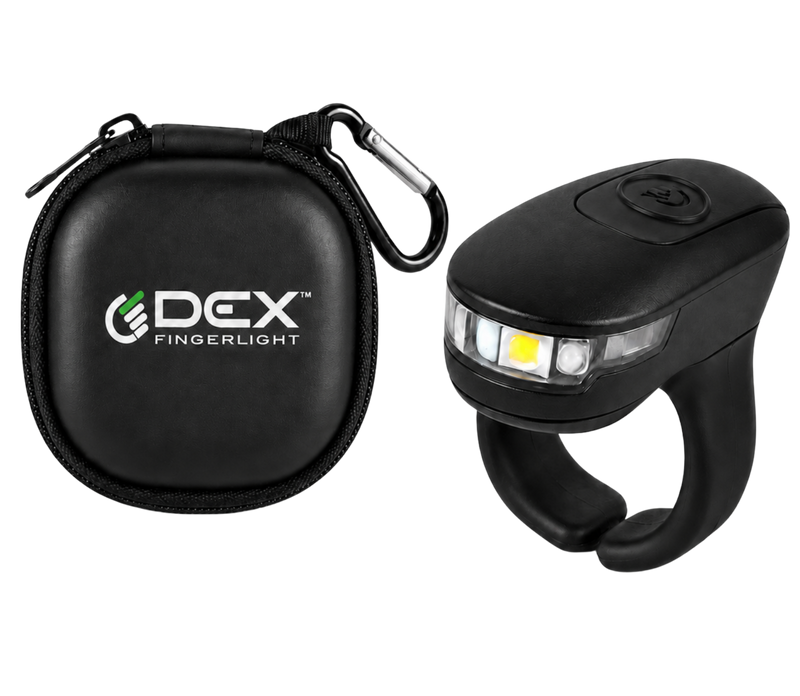
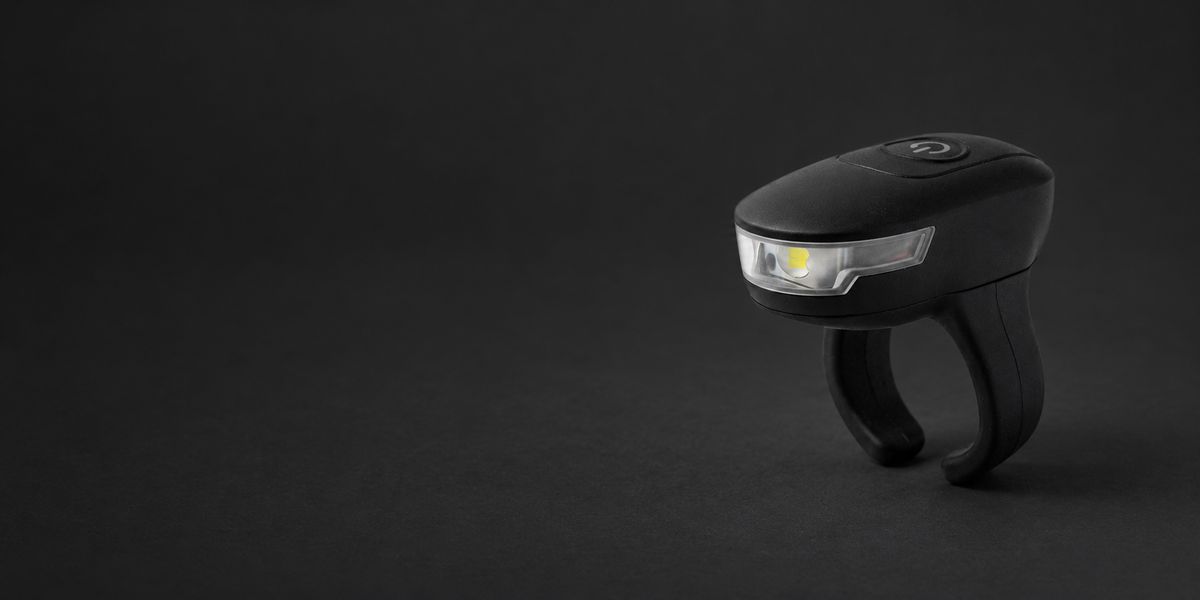
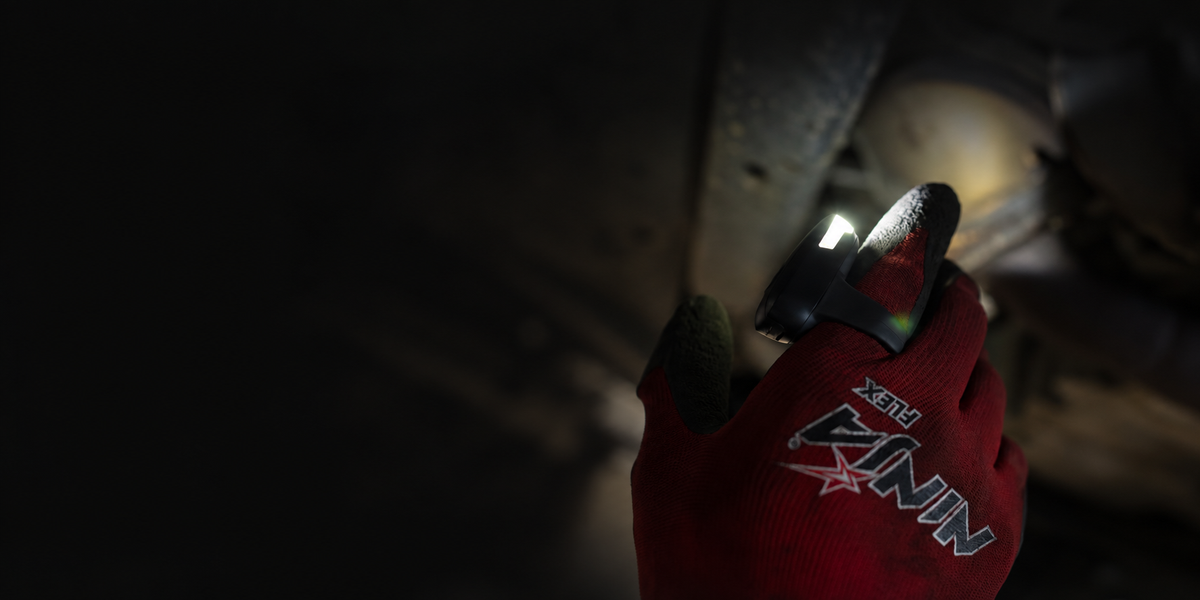
A finger light moves with the hand wearing it. That can bring the beam close to a buckle, pouch, or equipment detail while leaving you free to handle the item. Use the sizing guide to adjust it over your normal gloves, then check that the housing doesn't interfere with the movement.
DEX FingerLight® uses an adjustable Griptonite-TPU ring that fits on a finger or over gloves. For a closer look at how hand and head positions differ, see our DEX FingerLight and headlamp comparison.
3. Check the beam with the gear packed
A quick test at home can reveal an awkward setup. Put the light where you plan to carry it, wear your gloves, and open the pouch or case you expect to use. Work through the whole movement: find the light, turn it on, point it, handle the gear, and put it away.
For a finger light, rotate your hand through that movement. For a clip light, check whether a pack strap crosses the beam. For a supported light, lean into the task as you normally would.
Choose the position that lets you see what you're doing with both hands free.
4. Match the setting to the working distance
More output isn't always more comfortable at close range. A shiny buckle or pale label may send light back toward you. Try a lower setting or a different angle before moving the light farther away.
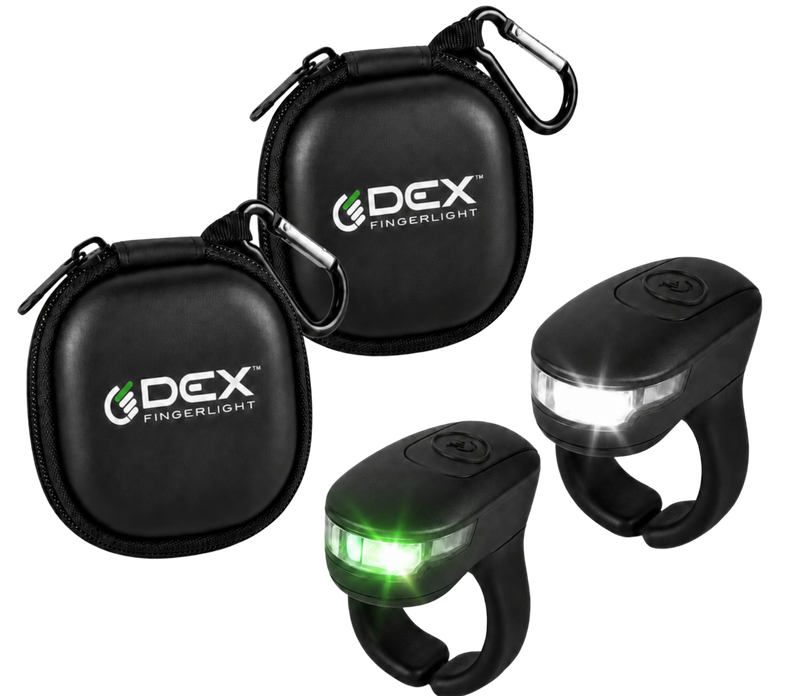
The current DEX FingerLight has Bright and Dim white-light modes plus Green mode. Bright and Dim are preset output levels. Use white light for reading colored markings and other tasks where color recognition matters.
5. Plan the return trip before you pack
Review the Quick Start Guide before your first outing. Check charge levels before leaving and decide how you will recharge between outings. DEX uses USB-C; keep its cable in a consistent place so it is part of your packing routine.
Consider who needs a light at the same time and what backup lighting your route calls for. A second light stored in an accessible part of the kit is only useful if you know where it is and have checked it.
Explore DEX headlamp alternatives for field use to compare current pack options for close tasks at camp and around your gear.
Before choosing a pack, see our 30-day satisfaction guarantee for return conditions and shipping charges.
Field lighting FAQs
Should I leave my headlamp at home?
Choose lighting for your route, tasks, and conditions. A finger light can complement a headlamp for close work; keep suitable lighting for walking back after dark.
What makes a finger light useful around camp?
The beam follows your hand toward small tasks such as opening a gear case or fastening a pack buckle. Try the movement with your own equipment to check the fit and beam position.
Can I use DEX with gloves?
The adjustable ring is designed to fit over gloves. Practice fitting it and using the button with the pair you plan to bring.
Is green mode the best choice for every field task?
No single mode suits every job. Use white light when reading colored markings or checking details that require color recognition. Choose the output and angle for the working distance.
Where are the charging and operating instructions?
Read the DEX FingerLight user manual before your first outing and include a charge check in your packing routine.
Share:
Portable Flashlight Sets for Tradespeople
Portable Flashlight Sets for Tradespeople